
THE ADOLESCENT HEALTH VOICE IN LUAPULA - SIGHT PROJECT
Adolescent and young people’s (AYP) health is a cornerstone for achieving Universal Health Coverage (UHC), ending preventable epidemics, strengthening climate resilience, and advancing the Sustainable Development Goals (SDGs) in Zambia. Across the country, adolescents are increasingly asserting their right not only to access health services, but to actively shape the decisions, systems, and solutions that affect their lives.
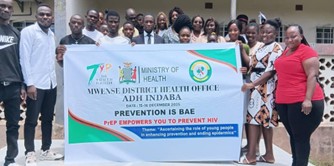
Reflections from the Chifunabuli, Samfya, and Mwense District Adolescent Health INDABAs (2025) echoes the valuable and contribution of the young people in their lives. It is within this progressive national context that The Youth Platform Three Sixty (TYP) powered by the Government of the Republic of Zambia through the Ministry of Health, with support from cooperating partners including UNICEF, that the District Adolescent Health INDABAs were convened in Chifunabuli, Samfya, and Mwense Districts in December 2025. These platforms, initiated by The Youth Platform Three Sixty in collaboration with government structures, reflect a growing commitment to meaningful youth participation, as earlier emphasized by the then Minister of Health, Hon. Sylvia Masebo.
Together, the three INDABAs demonstrate a clear and consistent message: ending epidemics is impossible without young people at the Centre of prevention, accountability, and community transformation.
Adolescents and young people articulated lived realities shaped by HIV and other STIs, teenage pregnancy, mental health challenges, substance abuse, gender-based violence, and limited access to youth-friendly services. These challenges are further compounded by climate change, which continues to disrupt education, livelihoods, food security, and access to health services particularly in flood- and drought-prone communities.
The INDABAs moved beyond consultation to co-creation, providing safe and inclusive spaces where young people including those living with disabilities, engaged duty bearers, interrogated service gaps, and proposed practical, youth-led solutions. This shift from tokenistic engagement to structured dialogue marks a critical evolution in adolescent health programming in Zambia.
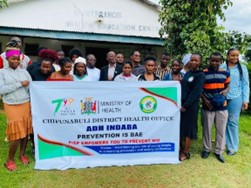
In Chifunabuli, where over 30,000 adolescents aged 10–19 reside, young people highlighted rising teenage pregnancy rates, persistent HIV risks, and underreported mental health and substance abuse challenges. Discussions strongly emphasized the intersection between climate change and adolescent health, with youth committing to environmental protection, tree planting, and climate-smart community actions. The young people called for the Integration of climate resilience and environmental action into adolescent health programming and establishment of ward-level youth monitoring groups to strengthen accountability
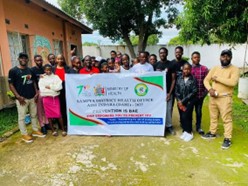
For Samfya the young people acknowledged progress in HIV prevention particularly through PrEP while stressing that gains remain uneven, especially for adolescent girls and young women (AGYW). Mental health challenges such as depression, anxiety, and substance use were identified as urgent but insufficiently addressed. The Samfya INDABA strongly positioned youth-led monitoring as a tool for improving service quality, proposing scorecards, quarterly data reviews, and structured dialogue with service providers. The call was strengthening PrEP adherence support and myth-busting and formal inclusion of young people in service quality assessments and reporting systems
Mwense’s INDABA powerfully demonstrated a shift from top-down programming to youth-led prevention and accountability. Young people welcomed innovations such as the Home, Education, Activities, Drugs, Sexuality, Suicide and Safety (HEADSS) screening approach, while raising concerns about substance abuse, transactional sex, and limited reach of peer education in remote areas. Mwense stood out for its strong advocacy on infrastructure and policy, calling for investment in physical youth-friendly spaces and stricter regulation of drug accessibility. The young people’s call was allocation of Constituency Development Fund (CDF) to construct standalone youth-friendly spaces with counselling and rehabilitation services and enforcement of drug control policies to curb substance abuse
The successful convening of the District Adolescent Health INDABAs reflects the Government of Zambia’s commitment to youth-responsive health systems and participatory governance. The presence of District Commissioners, health officials, traditional and religious leaders, and representatives from the Office of the President sends a strong signal that adolescent health is a national development priority. However, young people have made it clear: dialogue must translate into action hence the Ministry of Health, local authorities, and cooperating partners to increase sustained financing for adolescent health, including mental health and outreach services, institutionalize meaningful youth engagement in planning, implementation, and monitoring and support youth-led innovations that link health, climate resilience, and community development.
In conclusion the Chifunabuli, Samfya, and Mwense District Adolescent Health INDABAs collectively affirm that young people are not passive beneficiaries of health interventions they are leaders, monitors, and innovators in ending epidemics. Common Call by the district were centered on strengthening Adolescent- and Youth-Friendly Health Services (AYFHS), Scale Up Youth-Led HIV Prevention, Integrate Mental Health into Adolescent Health Services, Promote Youth Accountability and Participation and Ensure Disability Inclusion. With continued government support, adequate investment, and trust in youth leadership, Zambia can accelerate progress toward epidemic control, climate resilience, and a healthier generation. The voices have spoken. The solutions are clear. The time to act is now.