
Empowering Young People Through Knowledge, Partnership and Access to Youth-Friendly SRHR Services
Livingstone District | Quarter 2 (April–June 2026)
The Youth Platform Three Sixty (TYP360), with support from HIVOS under the SRHR fund, continued implementing the Youth Sustained Advocacy Project (Y-SAP) during Quarter 2 of 2026, strengthening adolescents’ and young people’s access to comprehensive Sexual and Reproductive Health and Rights (SRHR) information and youth-friendly healthcare services across higher learning institutions in Livingstone District.
Working in partnership with the Ministry of Health through Mahatma Gandhi Clinic and Libuyu Urban Health Centre, the project combined evidence-based SRHR education with integrated on-site health service delivery, ensuring that young people not only received accurate information but also had immediate access to essential healthcare services in safe, confidential and youth-friendly environments.
During the quarter, the project focused on increasing awareness of HIV prevention, promoting informed decision-making, reducing stigma, and addressing barriers that often prevent adolescents and young people from accessing quality SRHR services.
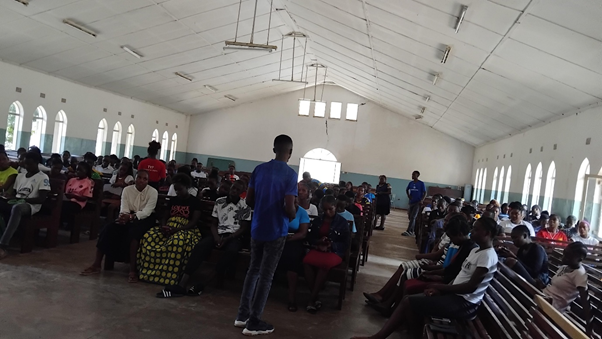
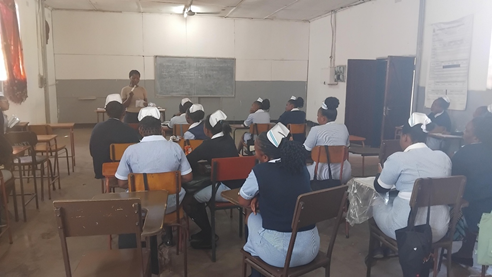
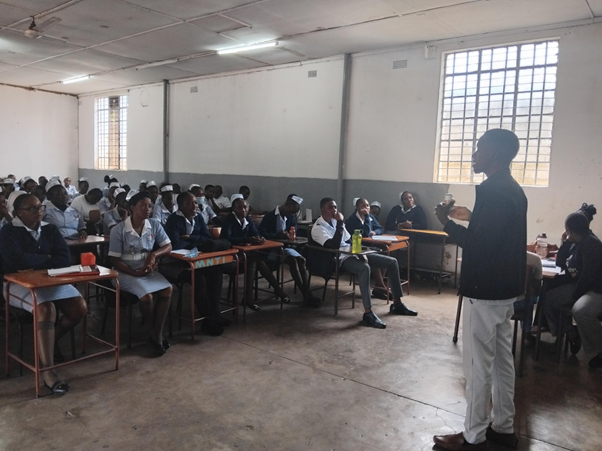
Between April and June 2026, Y-SAP successfully conducted 9 interactive outreach sessions across higher learning institutions in Livingstone District, reaching 666 participants (Female – 413; Male – 253), including adolescents, young people, and other participants with accurate and evidence-based Sexual and Reproductive Health and Rights (SRHR) information.
The sessions created safe spaces where young people could openly discuss sexual and reproductive health concerns, ask questions and receive accurate information from qualified healthcare providers. Through interactive discussions, the project addressed common myths and misconceptions while promoting informed choices and responsible health-seeking behaviour among students.
A major strength of the project during the quarter was the integration of health education with direct service delivery. Rather than only providing information, healthcare providers brought essential SRHR services closer to students, reducing barriers related to access, stigma and uncertainty about where to seek confidential care. A total of 367 (F-205, M-162) accessed HIV testing and counselling, STI screening, family planning services, HIV self-testing kits, condoms, and referrals for additional treatment and specialised care. In June alone, 274 (F-145, M-129) adolescents and young people accessed integrated SRHR services during outreach activities, demonstrating increased confidence and acceptance of youth-friendly healthcare services provided within educational institutions.
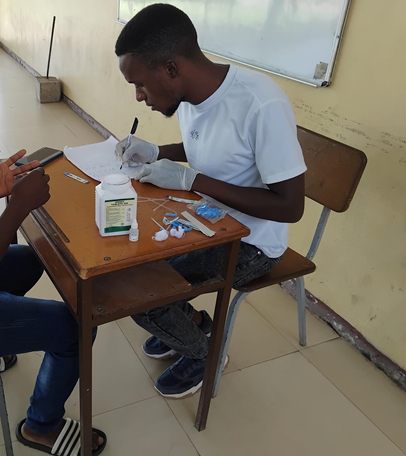
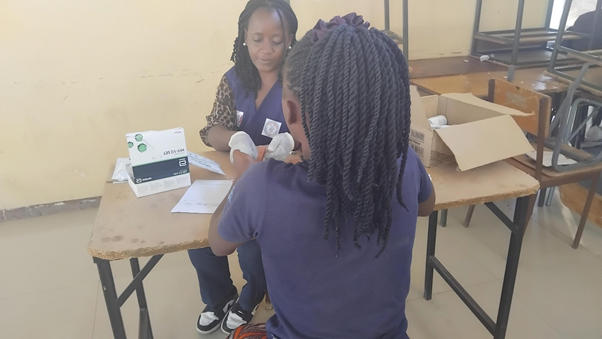
One notable outreach session at Mosi-O-Tunya Institute of Science and Technology reached 84 (F-49, M-35) participants. Following the awareness session, 26 (F-6, M-20) participants accessed condoms, 15 (F-8, M-7) participants received HIV testing services, and 14 (F-14, M-0) participants accessed family planning services. These results demonstrate the effectiveness of combining health information with immediate access to services, enabling young people to take timely action to protect their health.
Throughout the quarter, Y-SAP continued strengthening partnerships with the Ministry of Health, Mahatma Gandhi Clinic, Libuyu Urban Health Centre, higher learning institutions, healthcare providers and peer educators. These collaborations played a critical role in ensuring that young people received reliable information and quality healthcare services from trusted sources.
Institutional management from participating institutions expressed appreciation for the initiative, recognising the important role the programme plays in filling gaps in SRHR education and service access. The collaboration has helped create trusted spaces where students feel comfortable discussing sensitive health issues and seeking appropriate care without fear of judgement or discrimination.
Human Interest Story: Early Screening Leads to Timely Care
During one outreach session, a young female student actively participated in discussions on HIV prevention and sexual and reproductive health. Motivated by the information shared by healthcare providers, she decided to access STI screening services offered during the outreach. The screening detected an infection at an early stage, allowing healthcare workers to provide immediate counselling and refer her to Mahatma Gandhi Clinic for treatment. The student later shared that she had previously delayed seeking healthcare because she was unsure where to access confidential and youth-friendly services. Having healthcare providers available within her learning institution enabled her to receive timely care and treatment in a safe and supportive environment. Her experience highlights the importance of bringing SRHR services closer to young people, where they can access care without unnecessary delays, stigma or fear.
The achievements recorded during Quarter 2 demonstrate the impact of integrating comprehensive SRHR education with accessible healthcare services within higher learning institutions. The project has contributed to increased awareness of HIV prevention and SRHR, improved uptake of youth-friendly health services, increased confidence among young people to seek healthcare, early identification and referral of health conditions, and stronger collaboration between educational institutions and healthcare providers.
Looking Ahead
Building on these achievements, Y-SAP will continue expanding outreach activities across higher learning institutions in Livingstone District while strengthening collaboration with educational institutions, healthcare providers and young people themselves. The project remains committed to ensuring that adolescents and young people have equitable access to accurate SRHR information, quality youth-friendly services and meaningful opportunities to make informed decisions about their health.
Through sustained partnerships, community engagement and integrated service delivery, TYP360 continues to contribute to healthier, informed and empowered young people who are capable of shaping positive health outcomes within their communities.