
Breaking the Silence: Communities Confront Child Marriage and GBV Head-On
Kapiri Mposhi, Chisamba, Chibombo & Mkushi Districts | June 2026
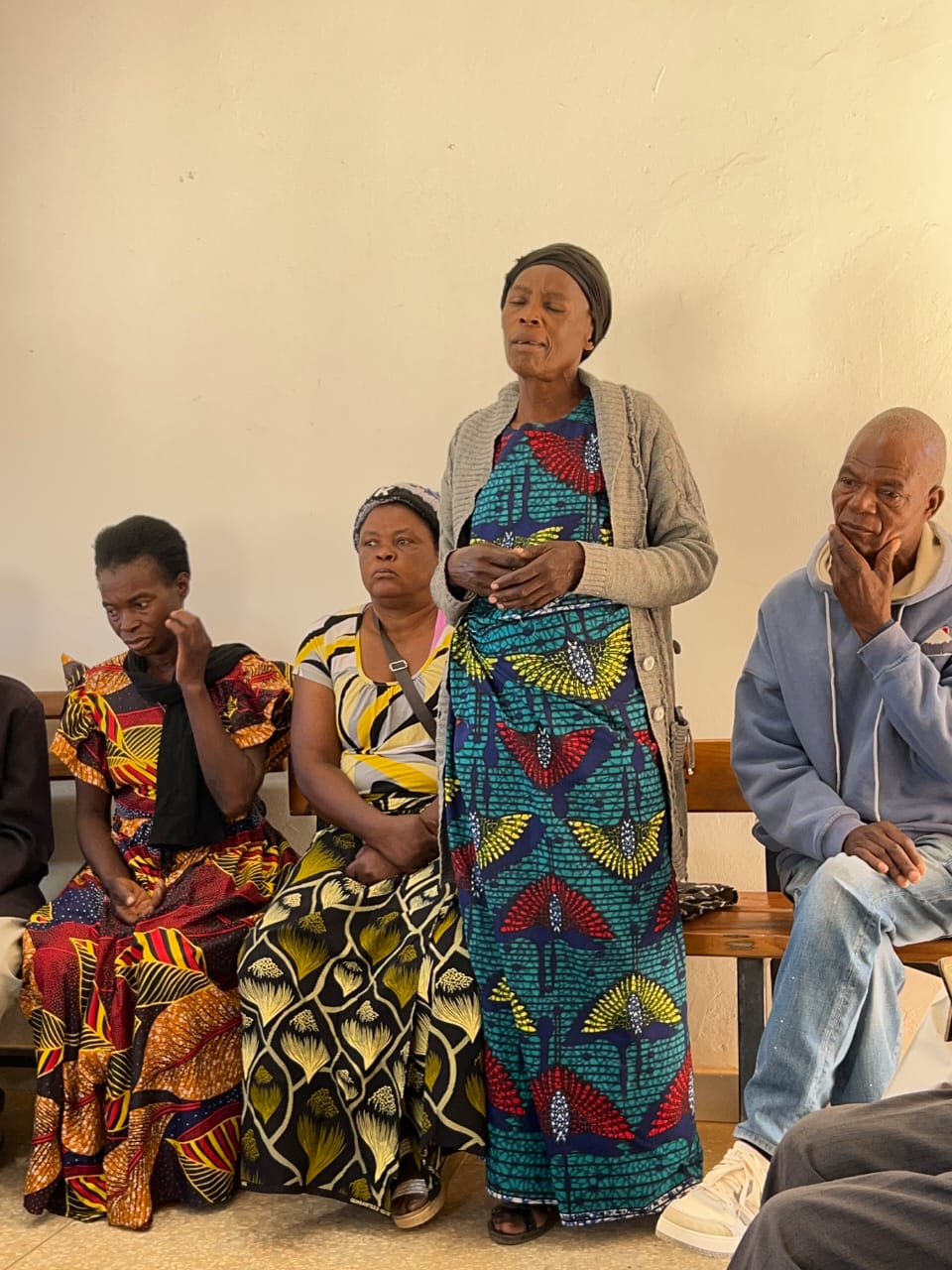
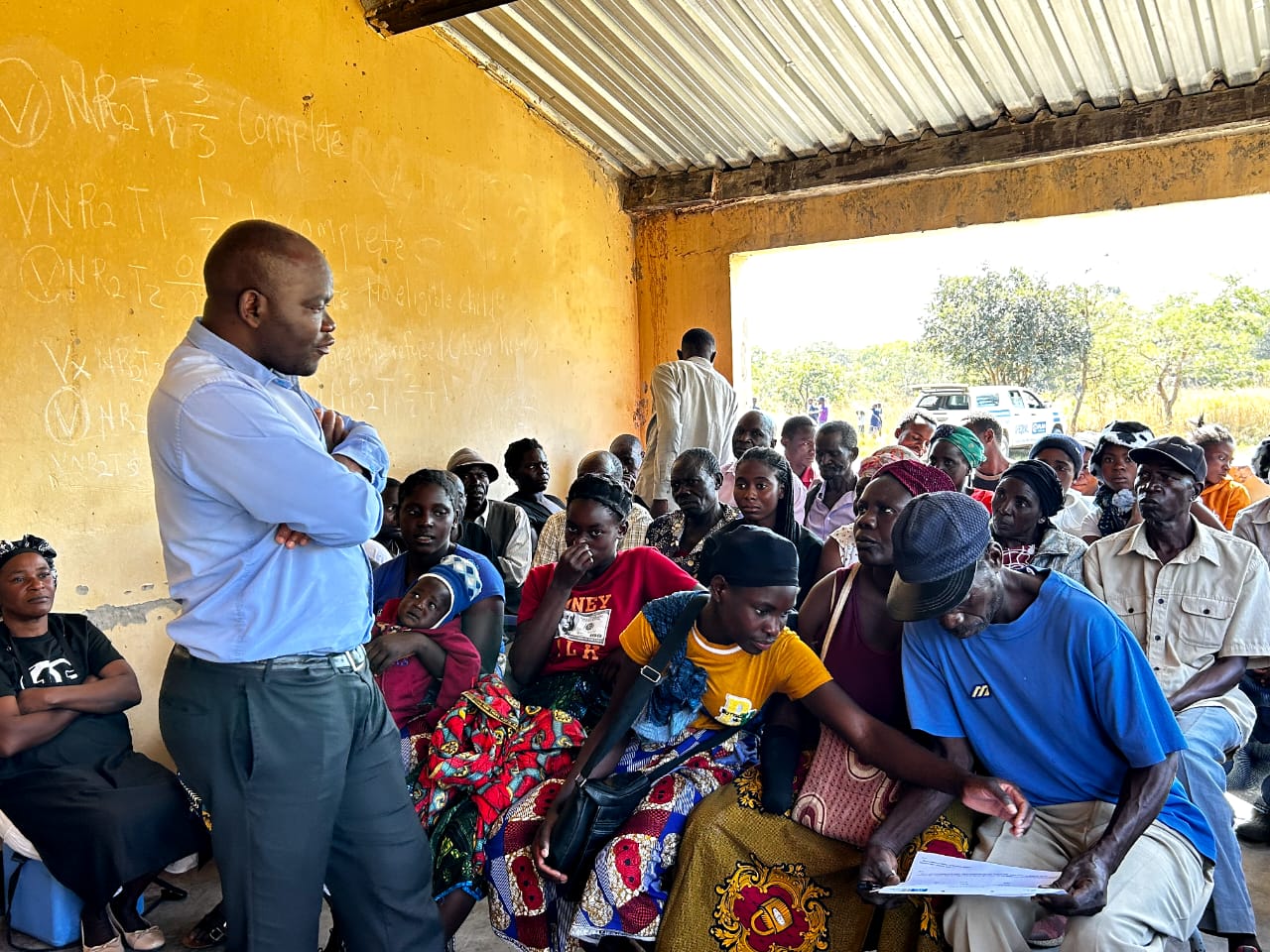
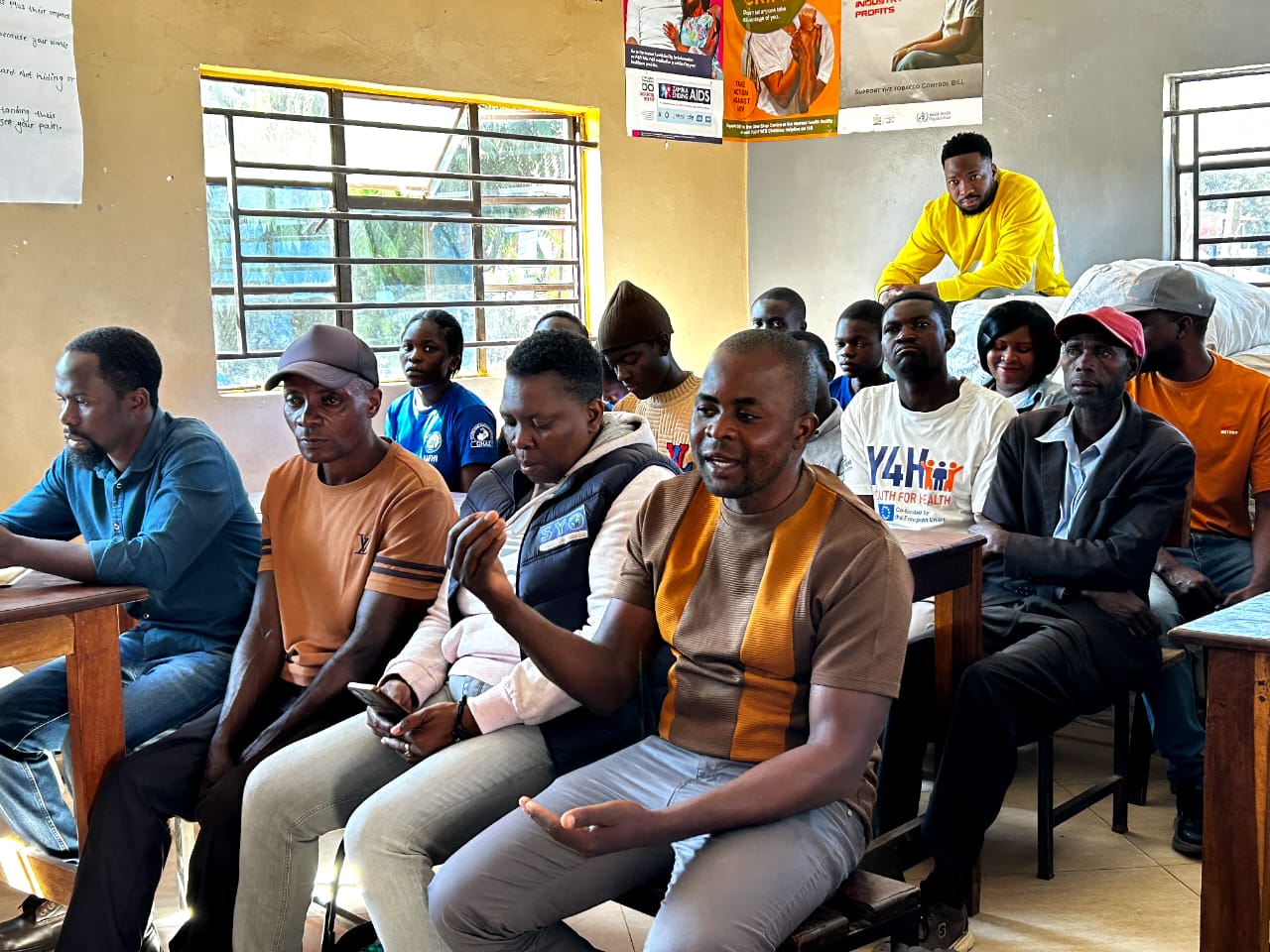
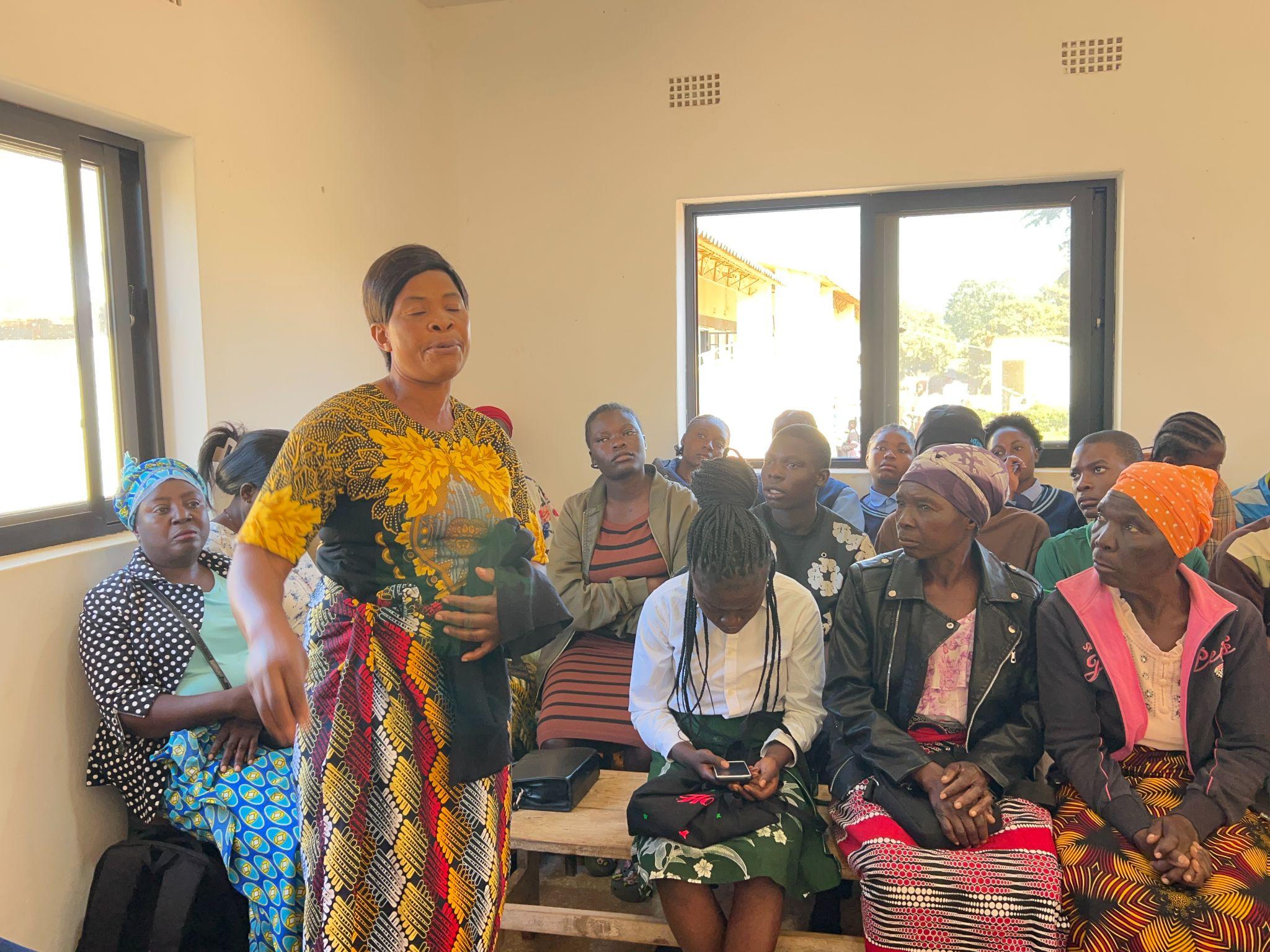
Throughout June 2026, TYP360 working with strategic youth Organization, Here to Love, Plan International, the Ministry of Health, and District Social Welfare Offices convened panel discussions on Child Early and Forced Marriage and Union (CEFMU) and Gender-Based Violence (GBV) at health facilities and community venues across Kapiri Mposhi, Chisamba, Chibombo, and Mkushi. Together, the sessions reached 296 participants, including adolescents, parents, health workers, and social welfare officers.
For many participants, this was their first structured opportunity to discuss CEFMU and GBV openly. Facilitators addressed a critical knowledge gap head-on: many young people had not understood that early and forced marriage is not only harmful, but illegal nor did they know how or where to report it. Panels brought in youth representatives, parents, healthcare providers, and social welfare officers to share lived experience and practical guidance side by side.
In Mkushi, discussions moved into the community itself, with sessions held at Kasokota Primary school rather than at health facilities alone reaching families and community members who rarely get access to this kind of structured dialogue. Across all sites, participants named poverty, long distances to services, peer pressure, and weak parent-child communication as the everyday pressures that push children into early marriage.
Participants reported increased confidence in reporting CEFMU and GBV cases through community structures and the national child helpline.
The response was strongest where it mattered most: participants left knowing that reporting is not a betrayal of family or community, but an act of protection, and knowing exactly who to turn to, from safeguarding focal persons to trusted teachers and health workers.
"Preventing child early marriages and GBV requires collective responsibility from families, communities and service providers."
Both communities called for the same practical fixes: schools built closer to home, boarding options for learners facing long commutes, stronger youth-friendly health spaces, and continuous not one-off community sensitisation. The clearest thread running through both sessions was this: young people are more resilient when parents and communities stay engaged, informed, and communicative.