A Small Room, A Big Impact: The Youth Friendly Space Transforming Adolescent Health in Sepande – SIGHT Project

March 19, 2026 0 3

In the rural communities of Choma District, Sepande Mini Hospital has become more than just a place for treatment, it has become a place where adolescents feel seen, heard, and supported.

At the center of this transformation is a brightly painted room known as the Youth Friendly Space (YFS). What started as a simple idea driven by compassion has grown into a thriving, youth-led platform for empowerment, thanks to the dedication of Sister Christabel Munashabantu, the hospital’s Adolescent Focal Point Person.

Three years ago, Sister Christabel noticed a troubling reality. Many adolescents felt uncomfortable accessing health services. Girls feared being seen while seeking family planning, while boys often attended health talks but remained too shy to ask the questions that mattered most to them. Adolescents were caught between childhood and adulthood—often overlooked by the health system.

“I love adolescents; they are golden,” Sister Christabel says, reflecting the passion that drove her to act.

In November 2023, with no external funding but a clear vision, she and her colleagues transformed a small room at the hospital into a welcoming Youth Friendly Space. Bright colors, privacy, and a judgment-free environment turned the room into a safe haven where young people could openly discuss their concerns and access accurate sexual and reproductive health information and services.

What began as a small initiative quickly grew into a vibrant youth movement? Today, the Youth Friendly Space brings together 26 active members, including girls, boys, and adolescents living with disabilities. Meetings held twice a month provide opportunities for mentorship, learning, and recreation, while peer educators lead discussions and community activities.

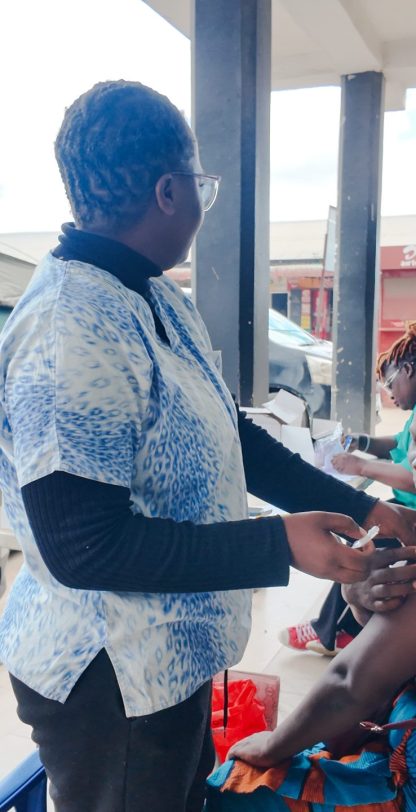
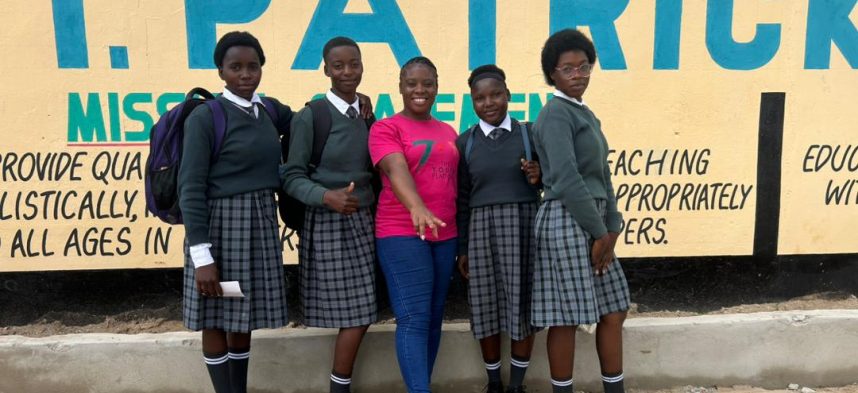
The program now extends beyond the hospital walls. Through school health talks, community outreaches, HIV testing, Hepatitis B vaccination, family planning services, and condom education, the Youth Friendly Space is equipping adolescents with knowledge and confidence to make informed health decisions. Parents, teachers, and community leaders are also engaged, helping build a supportive environment for young people.

A key strength of the initiative is youth leadership. Adolescents actively shape the program—choosing discussion topics, organizing activities, and evaluating progress. They are not just beneficiaries but partners in creating solutions for their own health and wellbeing.

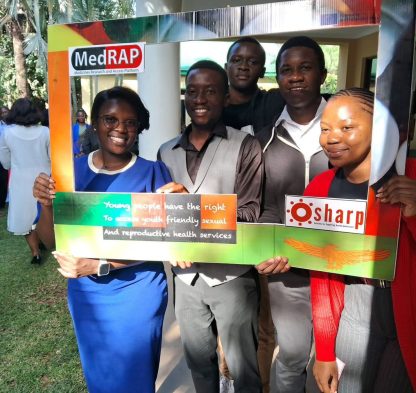
The impact of this work eventually attracted recognition from the District Health Office, leading to a partnership with The Youth Platform Three Sixty (TYP360) under the Global Fund grant through CHAZ and ECR. Through this collaboration, peer educators received training, essential supplies such as HIV test kits and contraceptives were provided, and ongoing mentorship strengthened the quality and sustainability of services.

Today, the Youth Friendly Space at Sepande Mini Hospital stands as a powerful example of what happens when passionate leadership, youth engagement, and strategic partnerships come together.

From a small painted room to a thriving adolescent sanctuary, the initiative is helping young people build confidence, make informed decisions, and take charge of their health and future.

Sometimes, real transformation begins with something simple—a listening ear, a safe space, and the belief that every young person deserves to thrive.

From Fear to Leadership: The Transformative Power of Youth-Friendly Services

The Youth Platform Three Sixty (TYP), a sub-sub-recipient of the Global Fund grant through CHAZ and ECR, has played a transformative role in strengthening the youth-driven initiative at Sepande Mini Hospital into a structured and sustainable Youth-Friendly Services (YFS) program. What began as a passion-driven effort has evolved into a stronger system supported by the capacity building of peer educators, consistent supply of essential commodities, mentorship, and supportive supervision. This collaboration demonstrates that effective partnerships are not built on dependency, but on reinforcing community-led solutions with the technical and institutional support needed for sustainability and scale.

The impact of this partnership is best illustrated through the story of “Chisha” (not his real name), a 19-year-old whose journey reflects the power of Youth-Friendly Services.

Although Chisha appeared confident on the outside, he was internally overwhelmed by confusion and fear. Much of his understanding of HIV, relationships, and protection came from misinformation shared among peers. Despite being sexually active, he lived with constant anxiety about unintended pregnancy and HIV infection. The stigma associated with seeking sexual and reproductive health services kept him away from care.

His first interaction with the Youth-Friendly Space happened by chance when he attended a sports day after being invited by a friend. During the event, he observed peer educators openly discussing sexual and reproductive health issues in a supportive and non-judgmental environment. For the first time, he encountered accurate information, mentorship, and a welcoming space. Gradually, his fear began to fade.

Through continued engagement, Chisha gained reliable knowledge about HIV prevention, including PrEP, and began to trust the health system. With encouragement from a peer mentor, he accessed HIV testing during a quarterly outreach and learned his status. That moment became a turning point in his life.

Empowered with knowledge and support, Chisha initiated PrEP and adopted healthier behaviors. Over time, his confidence grew, and he became actively involved in awareness sessions. Eventually, he transitioned into the role of a peer mentor himself.

Today, Chisha is enrolled in a vocational training program and serves as a respected youth leader within the Youth-Friendly Space. His journey demonstrates the transformative power of safe, youth-led spaces that provide accurate information, dignity, and consistent support.

Beyond individual transformation, Youth-Friendly Services have significantly improved access to essential services such as family planning, HIV testing, PrEP initiation, and general adolescent health care. As a result, more young people are seeking services without fear or stigma.

Youth-Friendly Services provide safe and non-judgmental environments where adolescents feel respected, heard, and supported. This approach has helped reduce stigma surrounding young people accessing sexual and reproductive health services, while improving overall health-seeking behavior among adolescents.

In addition, YFS has strengthened youth leadership and advocacy. Young people are no longer passive recipients of services but active co-creators in program design and implementation. Their participation has contributed to practical improvements, including the introduction of dedicated clinic hours for adolescents.

Youth-Friendly Services also contribute to stronger and more resilient communities. When young people are informed and empowered, HIV transmission risks are reduced, unintended pregnancies decline, and mental health outcomes improve. At the same time, leadership skills among adolescents are strengthened, preparing them to make informed decisions and contribute positively to society.

For health workers, the key lesson is the importance of intentional listening. Adolescents are capable of expressing their fears, needs, and solutions when provided with a safe and respectful environment. Service delivery must therefore go beyond treatment to include trust-building, engagement, and responsive care.

For facilities seeking to establish youth-friendly services, it is important to start with available resources. While infrastructure is valuable, commitment, empathy, and consistency are fundamental. A safe space begins with the right attitude and grows stronger over time as systems and resources improve.

For partner organizations, youth initiatives must be approached with humility and collaboration. Young people should be engaged as co-creators, with deliberate investment in their leadership development. When supported effectively, young people do more than meet program targets—they redefine what is possible.

In conclusion, young people are not just the future—they are the present. Youth-Friendly Services are more than service delivery points; they are lifelines for adolescents navigating complex health and social realities. The true sustainability of this work is reflected in the transformation of young people—the confidence to ask questions, the courage to seek services, and the leadership that emerges through informed participation. Adolescents are not problems to be managed; they are leaders shaping a healthier, more informed, and more resilient society.

UP